Glide Through the Alps, Capture a Lifetime
Today we explore photography itineraries on panoramic Alpine railways for retirees, blending relaxed comfort with unforgettable scenery and unhurried storytelling. Expect generous windows, quiet coaches, and a timetable that favors calm breathing, gentle movement, and steady hands. You will learn where to sit, when the light turns mountains into sculpture, and how to pace your energy so every frame feels intentional. Bring curiosity, pack light, and join fellow travelers ready to share memories, tips, and favorite stops along routes that were built for wonder.
Gentle Journeys, Grand Vistas
These trains reward patience with unfolding theater: glaciers revealing their creases, lakes switching colors with shifting clouds, villages appearing like bookmarks between chapters of rock and meadow. The pace suits eyes that prefer lingering to rushing, and knees that like fewer stairs. With big windows, smooth tracks, and well-planned breaks, you can savor details, sip tea, and still capture crisp frames. Share your own small victories—an unexpected reflection tamed, a kind conversation sparked—because travel grows richer when wisdom circulates.
Unhurried miles that favor mindful photography
A measured timetable means you can anticipate bridges, tunnels, and sweeping curves rather than reacting at the last second. The steadier rhythm helps you notice textures in snow lines, modest chapels clinging to slopes, and flocks of alpine choughs tracing thermals. Instead of sprinting, you can pre-focus, adjust exposure, and breathe. This is travel as a gentle craft: your camera resting easily in your hands while landscapes drift into alignment and moments announce themselves with soft, generous timing.
Accessibility features that remove friction
Step-free boarding, luggage racks near your seat, and spacious restrooms reduce stress before the shutter clicks. Panoramic cars often include wide aisles, wheelchair spaces, priority seating, and attendants trained to assist with transfers. Many stations provide lifts, clear signage, and benches exactly where you need them. With comfort handled, creativity flourishes. You can spend attention on light angles, reflections, and story rather than logistics. Ask staff for the car with the cleanest glass; they usually know and happily guide.
Routes That Shine Through the Lens
{{SECTION_SUBTITLE}}
Glacier Express: a moving balcony across Switzerland
Running roughly eight hours between Zermatt and St. Moritz, this classic links glaciers, gorges, and the Oberalp Pass, with panoramic windows and seat-side dining that let you photograph without juggling. Average speeds are leisurely, perfect for composition. Book early; reservations are mandatory. Sit opposite the sun to reduce flare, and keep a cloth ready for smudges. Audio guides quietly note landmarks, helping you anticipate shots. Consider splitting the trip with an overnight to chase dawn near the Matterhorn.
Bernina Express: ice to chestnut groves in one sweep
From Chur or St. Moritz to Tirano, this spectacular line climbs past glaciers, then descends toward palms and sweet chestnuts. Highlights include the Landwasser Viaduct and the graceful Brusio spiral, both photogenic from inside the train and trackside platforms. Summer open-air cars add exhilaration, though wind protection helps. Reserve seats on the mountain side for dramatic drops, then switch strategies in the descent for valley compositions. End with gelato in Tirano while reviewing images warmed by Italian light.
Light, Weather, and the Alpine Calendar
Winter brilliance and the quiet carriage hush
Snow brightens scenes, demanding careful exposure to preserve texture without losing shadow detail in forests and stone. Trains are calmer, and seats easier to reserve, giving you space to brace elbows against armrests. Watch for condensation when moving from cold platforms into warm cars; keep gear in a zip bag while acclimating. Blue-hour transitions feel prolonged, perfect for reflective lakes and lit villages. Gloves with thin fingertips help operate dials. Hot chocolate becomes both prop and welcome hand warmer.
Spring and autumn color stories
Wildflowers and meltwater in spring create sparkling foregrounds, while autumn swaps them for larch gold and copper vineyards. Shoulder seasons offer gentler crowds and room to experiment. Pack a polarizer, but rotate carefully—at altitude and with wide angles it can unevenly darken skies. Mist and drizzle give subtle saturation for comforting, painterly frames. Keep a microfiber cloth handy, and choose seats sheltered from prevailing weather side. Local festivals add human color; always ask before photographing musicians or vendors.
Summer clarity, crowds, and heat haze
Expect longer days and brilliant highlights, ideal for early departures and late returns with extended blue hour. Midday glare and heat haze soften distant ridges; lean into silhouettes, abstracts, and tight details rather than broad panoramas. Book well in advance, and choose shaded seats opposite the sun. Open windows when available, but protect lenses from dust. Hydration shapes patience, so keep water nearby. Use station pauses for shadowed compositions. Share crowd-avoidance tips with others; collective planning helps everyone breathe.

Packing Smart Without Sacrificing Quality
Travel that respects joints and shoulders invites better images. A compact kit paired with good technique beats heavy bags you stop enjoying. Curate versatile lenses, stabilize with body mechanics, and build a simple workflow so editing feels like unwinding. Think quick access, minimal fiddling, and backups that just work. Every saved ounce returns as energy for a platform detour, a hillside bench, or a spontaneous portrait. Tell us what gear you actually used; practical lists help future travelers immensely.
Mastering reflections in panoramic windows
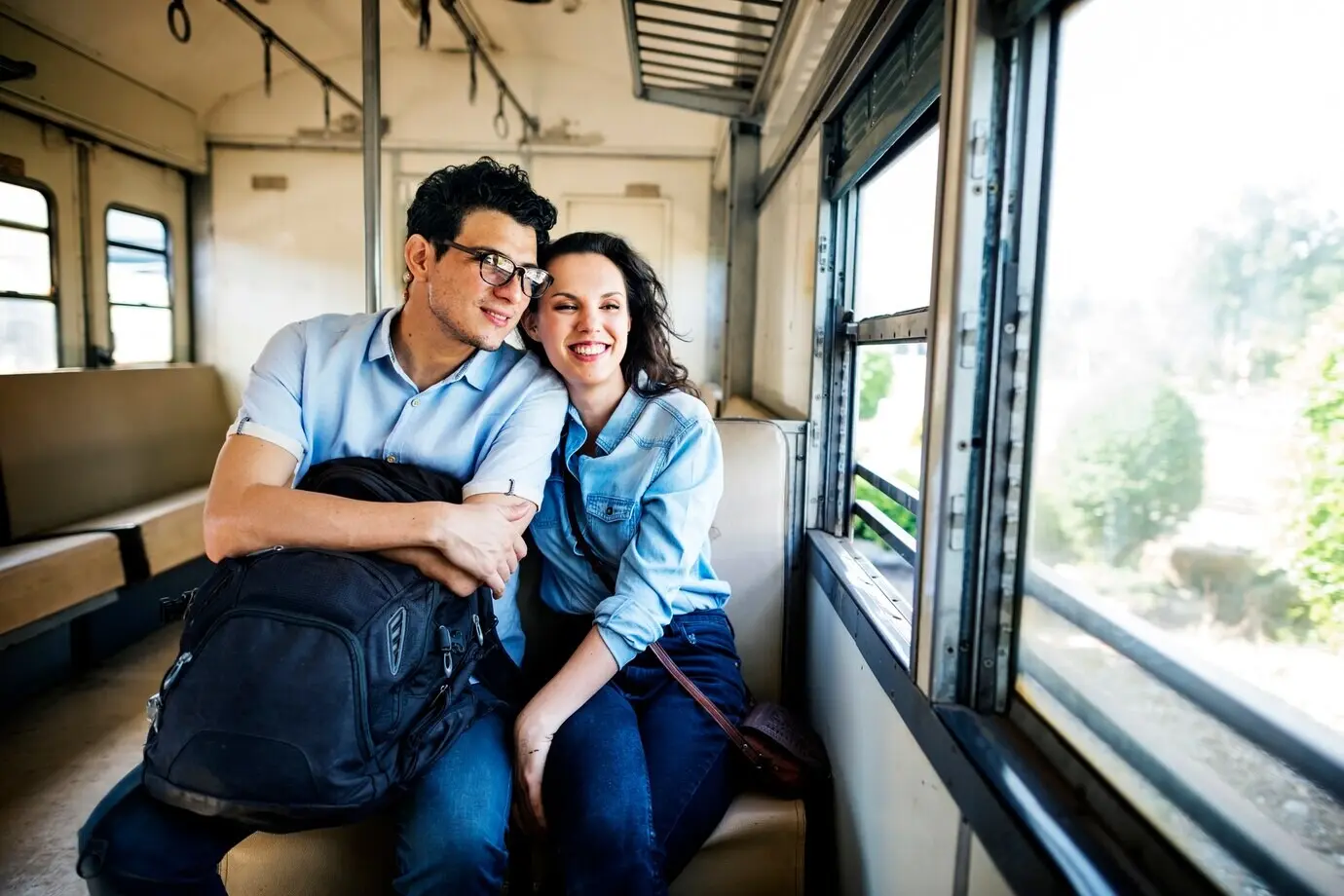
Wear dark clothing, press the lens gently against the glass, and shade with a hat or a small black cloth to minimize reflections. Sit opposite bright light sources, and choose seats without direct sun when possible. Use a rubber hood to seal gaps. Angle slightly to avoid your own reflection, then straighten for horizon lines. Watch for interior lights; ask staff whether they can be dimmed in your area. Clean smudges discreetly before key scenes; preparation beats frantic fixes mid-curve.
Open-air cars, balconies, and safe platform work
When open-air sections are available, secure straps, remove loose caps, and keep pockets zipped. Wind amplifies drops and snags. On platforms, obey safety lines, ask staff about the best vantage, and avoid blocking passengers. Trains often dwell longer at scenic stops—use that time for establishing shots. Stabilize elbows on railings, and pre-set shutter speeds. Respect local rules about tripods; a folded trekking pole can steady you discreetly. Remember hearing protection in long tunnels; comfort keeps you patient and precise.
Human moments that complete the landscape
Landscapes sing louder with a sense of life: a conductor’s precise gesture, steam rising from a paper cup, grandparents reading route maps together, hikers waving from a crossing. Always ask permission for closer portraits, and offer to share the image. Capture hands, textures, and small signage that anchor memory. Markets near stations add color and context—cheeses, flowers, postcards. Pair the grand with the tender, then sequence photos to lead viewers through a day that feels real, warm, and inviting.
Two Relaxed Itineraries You Can Start Next Month
A pair of gentle plans balances breathtaking lookouts with generous downtime. They are designed around light, accessibility, and simple transfers. Expect short walks, clear options to shorten or extend, and hotel choices near stations. Build in café pauses, museum visits, or lakeside benches for editing. Share how you adjust these to your pace; real experiences guide others kindly. Book flexible tickets when possible, and keep weather-friendly alternatives ready so changing skies become a playful collaborator rather than an obstacle.
All Rights Reserved.