Travel Without Barriers: Comfort and Confidence on Rails and Rivers

Today we focus on an accessibility guide to cabins, seating, and shore excursions on trains and riverboats, turning practical details into confidence. From booking and boarding to sleeping, dining, and exploring ashore, you’ll find step-by-step support, lived experiences, and welcoming ideas that make each mile easier, kinder, and more delightfully within reach for every traveler.

Start Strong: Planning and Booking Without Barriers

Planning early transforms uncertainty into calm. We walk you through comparing operators, reserving accessible cabins on riverboats and priority seating or wheelchair spaces on trains, and verifying real measurements rather than assumptions. Expect practical checklists, scripts for calls, and sample emails that actually work. One reader secured a better cabin simply by asking for photos of door widths—proof that clarity and persistence save energy for joy.

Finding trustworthy access details

Official pages can be vague; combine sources. Cross-check operator accessibility pages, PDF deck plans, and reservation notes with phone confirmations, photos from customer service, and independent reviews. Compare metric and imperial measurements, ask about temporary ramps, and document names and dates. When pages contradict reality, written confirmation becomes your friendly safety net at check-in, keeping expectations aligned with real-world conditions onboard and in stations.

Securing the right reservation

Reserve specific assets, not vague promises. Name the cabin number or car and seat, request roll-in shower, lowered closet rods, adjacent companion seat, grab bars, or transfer platforms, and confirm power outlet placement. Note mobility device dimensions and turning radius. Ask to flag your record for assistance at boarding and during connections, reducing last-minute scrambling and awkward surprises through clear notes visible to frontline staff when it counts.

Preparing documents and assistance

A little paperwork opens doors. Keep medical summaries, medication lists, and any need-to-know instructions in a simple travel folder or secure phone file. Request written confirmations for early boarding or boarding ramp availability. Learn carrier codes for assistance services, and practice a short, friendly script describing needs without oversharing. Confidence grows when key details are ready, organized, and easily shared during quick conversations at busy terminals.

Cabins that Welcome: Riverboat Spaces Designed for Ease
Riverboats offer intimacy and scenic calm, yet details matter: doorway widths, bathroom layouts, bed height, and balcony thresholds can transform comfort. We share measurement ranges, tactics for rearranging furniture safely, and strategies for communicating with crew. One couple requested a shower chair and non-slip mat in advance and arrived to a perfectly set-up cabin, saving precious energy for sunsets and spontaneous deckside conversations.

Doorways, bathrooms, and turning space

Measure twice, relax once. Ask for clear door widths, threshold heights, and bathroom turning circles. Confirm whether the shower is truly roll-in, if a fixed lip exists, and where grab bars sit. Photos with a tape measure help. Crew can often adjust furniture placement; discuss safe paths from bed to bathroom for night-time transfers without obstacles, glare, or slippery surfaces compromising secure movement.

Beds, storage, and reliable transfers

Bed height affects independent transfers. Ask for measured distance from floor to mattress top, space beneath for lifts, and clearance on both sides. Request lower hanging storage, reachable shelves, and non-slip bedside mats. If the bed splits, confirm firmness options. A simple wedge pillow, packed at home, can turn restless nights into restorative sleep across an entire voyage, especially after active shore days.

Seat Comfort and Mobility on the Move

Trains reward spontaneity and views, but seating plans determine freedom. We outline aisle widths, transfer techniques, assistance protocols, and when to choose dedicated wheelchair spaces versus movable armrest seats. Expect guidance on luggage positioning, power sockets, and tray reach. A traveler shared that pre-assigning a nearby companion seat turned boarding from chaotic to smooth, easing everyone’s stress and improving access to help when needed.

Aisles, armrests, and confident transfers

Confirm whether armrests lift fully and which rows offer transfer plates or extra clearance. Practice your preferred technique at home with similar heights. Ask station staff about portable ramps and boarding bridge gaps. A small non-slip pad and a discreet transfer handle can empower independence, while traveling companions learn where to support without interfering or rushing, creating smooth, dignified moments during boarding.

Wheelchair spaces, tie-downs, and braking

Dedicated spaces vary by train type. Verify length, width, and tie-down compatibility with your device, including power wheelchair battery considerations. Ask about facing direction, window access, and proximity to restrooms. During hard braking, secure loose items and lock casters. One commuter discovered a simple bungee kept a lap tray from sliding when rails curved sharply, avoiding spills and sudden, uncomfortable reach adjustments.

Sensory comfort, lighting, and quiet spaces

Comfort is broader than measurements. Request quiet cars when available, carry noise-reducing headphones, and choose seats away from doors if startling sounds are a concern. Soft lighting, sunglasses, or visors help with glare. Note scent-free policies where offered. Preparing a short card explaining sensory needs can invite kindness during crowded moments without draining energy, let expectations be known, and reduce repetitive explanation fatigue.
Ramps, gradients, and tender alternatives
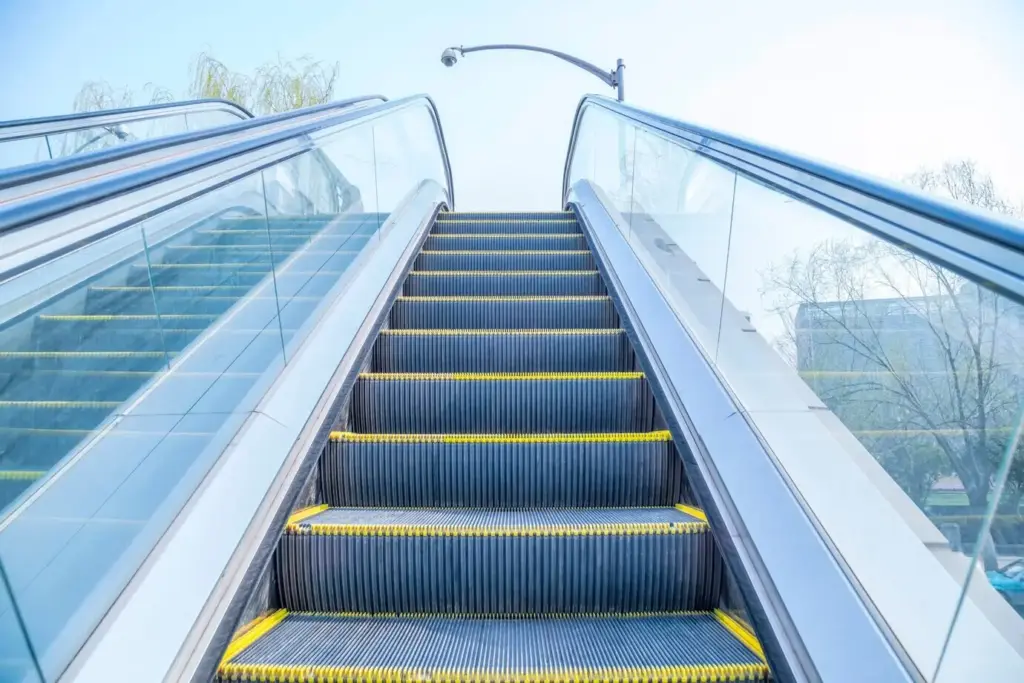
Ask for ramp length, side rails, and surface grip; photos reveal more than adjectives. When water levels make direct gangways unsafe, discuss bus or accessible van alternatives to reach the same sights. For trains, confirm platform gap fillers. One traveler swapped a steep dock for a level riverside promenade and still met the group later, happy and unhurried, with energy to explore.

Timing buffers, terrain, and flexible plans

Build generous buffers for elevators, ramps, and crowds. Ask guides about pavement type, cobblestones, slopes, and distance between rest stops. Bring trekking poles or scooter batteries if relevant. Choosing one highlight per stop often brings more joy than rushing three. Flexibility protects energy, turning unexpected detours into serendipity rather than stress when schedules slip or weather shifts during lively, memorable days.

Safety, Health, and Everyday Ease

Real Experiences, Caring Community, and Next Steps
Practical wisdom grows when travelers share. We include stories from wheelchair users, cane users, blind travelers, neurodivergent adventurers, and families navigating mixed needs across trains and riverboats. Ask questions in the comments, subscribe for updates, and add your voice. Together we refine itineraries, celebrate wins, and nudge operators toward kinder, clearer, reliably accessible journeys that expand joy and confidence.
Mitorimuxuruxenivari
Privacy Overview

This website uses cookies so that we can provide you with the best user experience possible. Cookie information is stored in your browser and performs functions such as recognising you when you return to our website and helping our team to understand which sections of the website you find most interesting and useful.